Where to Stay in Tokyo: Neighborhood Guide
Choosing among the best areas to stay in Tokyo is less about finding one “central” district and more about matching your base to the way you travel. Tokyo is enormous, and a station that looks close on a map can mean a long walk through a complex interchange. Shinjuku is excellent for connections and late-night dining; Shibuya suits shoppers and first-time visitors who want maximum energy; Asakusa offers a more traditional setting; Ueno is practical and culture-rich; and Ginza is polished, convenient, and rarely the budget choice. The right neighborhood can save time every day, especially if you plan airport transfers, early departures, or several museum and sightseeing days.

1. Shinjuku: connections and nightlife
Shinjuku is the strongest all-rounder for travelers who want a major transport hub, abundant food, and a city that stays active after dark. The area around Shinjuku Station is dense and hectic, but that density is useful: department stores, casual restaurants, convenience stores, observation points, and hotels are concentrated within walking distance. The west side feels more office-oriented, while the east side leads toward shopping, Kabukicho, and smaller bars and restaurants.
Its transport advantage is real but comes with a learning curve. JR services, private railways, and subway lines meet around the station, and nearby Shinjuku-sanchome adds Tokyo Metro and Toei options. Use the station exit printed on your accommodation’s directions rather than assuming the map pin tells the whole story. If you arrive with luggage, a hotel a few blocks farther from the station may be quieter, but confirm the walking route and avoid making a long transfer through the concourse.
Stay here if you plan day trips, want flexible evening dining, or value a direct-feeling connection to western Tokyo. Shinjuku Gyoen National Garden and the Tokyo Metropolitan Government Building provide calmer daytime alternatives to the neon streets. The trade-off is scale: the neighborhood can feel impersonal, and the busiest routes are tiring with a stroller or large suitcase. For nightlife, keep normal urban precautions, check the price of any venue before ordering, and remember that trains generally stop around midnight; a late taxi or walk should not be treated as an automatic backup.
2. Shibuya: shopping and energy
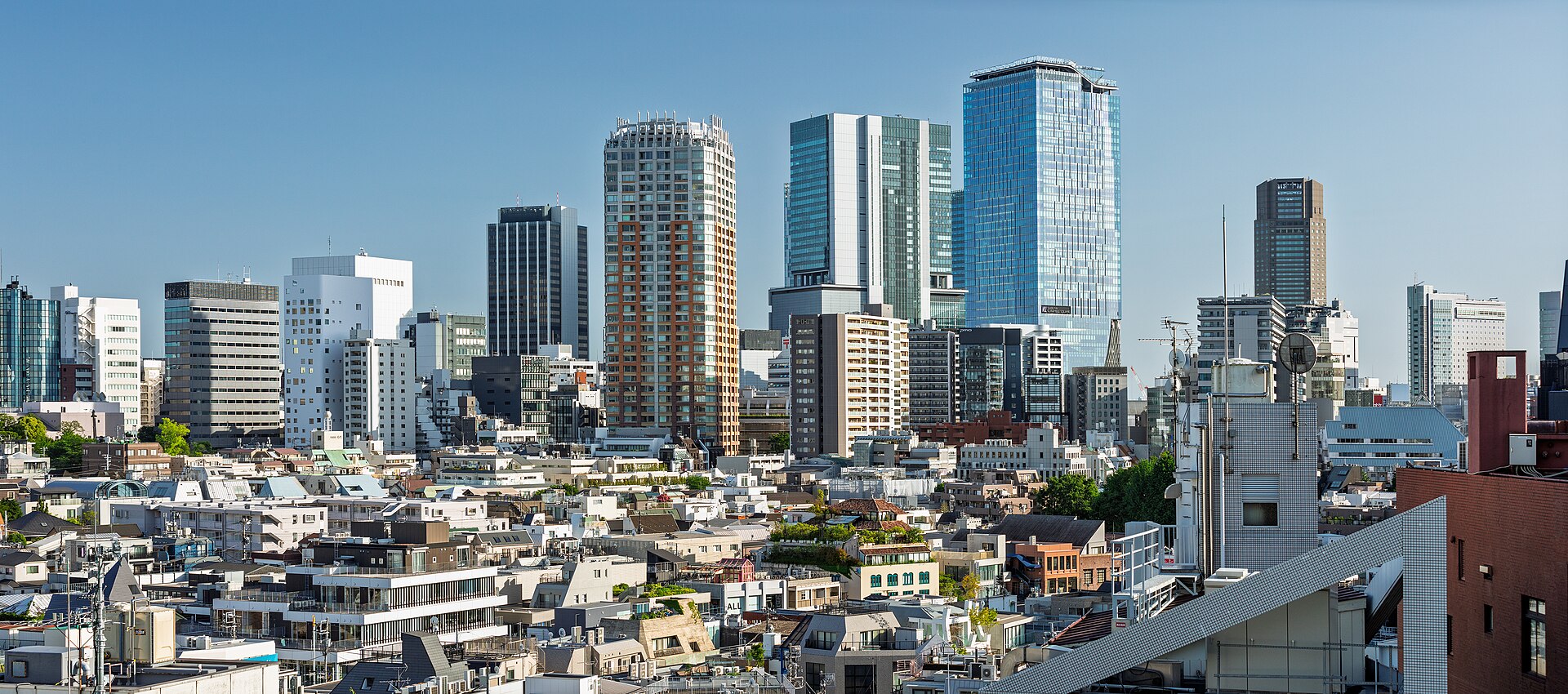
Shibuya is the better match for travelers who want fashion, pop culture, cafés, music, and a highly visible modern-Tokyo setting. The famous scramble crossing is only the starting point. Shibuya 109, Shibuya Parco, Shibuya Hikarie, MIYASHITA PARK, and the Shibuya Scramble Square complex create a broad shopping and entertainment zone, while Udagawacho, Maruyamacho, and Oku-Shibuya offer smaller venues and a less monumental feel.
The station area is being continually reshaped, so allow extra time for navigation and meeting people. A hotel near a clearly named exit can be more valuable than a slightly cheaper room on the far side of the district. Shibuya is well placed for Harajuku, Omotesando, and Daikanyama, and it also works for visitors who want to combine Tokyo with a day trip using JR or private railway services. Check the final train for your exact route rather than relying on a general “last train” assumption.
Shibuya’s energy is its selling point and its drawback. It suits travelers who enjoy crowds, late dinners, and a packed schedule, but it is not the most restful choice for light sleepers. Prices for accommodation and dining can also reflect the location. Pick a side street or a hotel with strong soundproofing if you want the district’s convenience without sleeping above the busiest pedestrian flow. Be considerate around the crossing and residential streets: do not block entrances for photographs, and carry rubbish until you find a bin.
3. Asakusa: traditional atmosphere
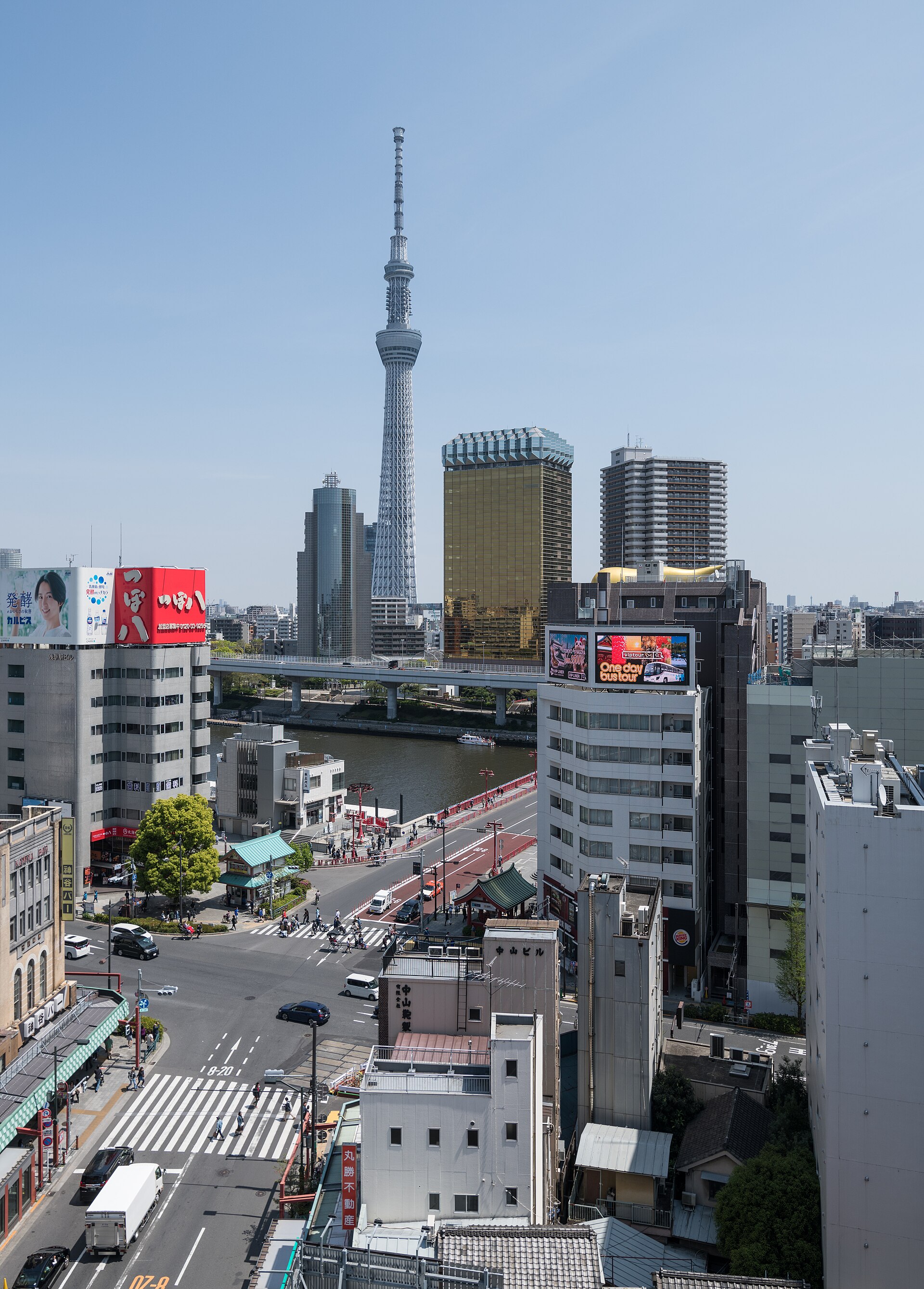
Asakusa is the clearest choice if you want your accommodation to feel connected to historic Tokyo rather than contemporary nightlife. Sensoji, Kaminarimon, Nakamise shopping street, Asakusa Engei Hall, and the Sumida River give the area a strong identity. Streets around the temple are busiest during the day, while quieter lanes and the riverfront can make the neighborhood feel more relaxed in the morning or after dinner.
Tokyo Metro’s Ginza Line and the Toei Asakusa Line make Asakusa useful for several sightseeing routes, and the area is also associated with the Tobu Skytree Line. The station complex has multiple operators and exits, so check whether your route begins at Tokyo Metro, Toei, or Tobu. A waterbus pier is close to Asakusa Station, but services and stops can change; confirm current operating information before building a day around the river.
Choose Asakusa for atmosphere, traditional snacks and souvenirs, access to the eastern side of the city, and potentially better value than the most fashionable western districts. It is less convenient for a daily itinerary centered on Shibuya or western Tokyo, and some streets become quiet earlier. Respect temple etiquette, keep voices low near worshippers, and do not treat religious sites as photo sets. If you need step-free access, inspect the station and hotel details in advance: “near the station” does not always mean a simple elevator route.
4. Ueno and Ginza: different travel styles
Ueno and Ginza are both central choices, but they solve different travel problems. Ueno is practical, lively, and especially useful for museum-focused trips. Ueno Park groups major cultural institutions, while Ameyoko and the area around the station offer a more everyday, market-like atmosphere. The district connects well by JR and Tokyo Metro, and nearby Okachimachi can widen the hotel search without moving far from the same transport network.
Ueno suits families, travelers arriving from or departing toward northern Tokyo, and anyone who wants museums, a large park, and straightforward food options close by. It is not as glossy as Ginza, and the station surroundings can feel busy or rough-edged by comparison. That is a feature for some travelers and a disadvantage for others. Look at the exact street, not just “Ueno,” when comparing hotels.
Ginza is the refined option: department stores, design, galleries, restaurants, Kabukiza, and excellent access to Tokyo Station and several subway lines. It is a comfortable base for travelers prioritizing dining, shopping, business appointments, or a short itinerary with central Tokyo highlights. It is oriented toward premium shopping and dining, so the room rate and evening bill may be higher.
Choose Ueno when value, museums, and practical rail access matter most; choose Ginza when polish, centrality, and special-occasion dining matter more than saving on accommodation. Neither is automatically best for nightlife: Ginza is elegant rather than rowdy, while Ueno’s evening options are more local and casual.
5. How to choose based on budget and transport
Start with the first and last journeys of your trip. If you land late or leave early, a simple airport connection may be worth more than a scenic neighborhood. Then mark the two or three places you will visit repeatedly. Tokyo’s fares are not the only cost: a transfer, a long walk between platforms, or a taxi after the last train can erase a room-rate saving.
For a tighter budget, compare business hotels and small private rooms around Ueno, Asakusa, and the less central edges of Shinjuku rather than searching only for capsule hotels. Check room size, luggage storage, bathroom type, and cancellation terms. A low nightly rate is less attractive if two large suitcases cannot open or if the nearest station has stairs only. For a higher-comfort trip, Ginza and well-located Shinjuku or Shibuya properties offer strong convenience, but compare noise reviews and the actual walking route.
Use official Tokyo Metro and JR East journey information for current routes, disruptions, and ticket guidance. A rechargeable IC card can simplify ordinary rides where accepted, but do not assume every pass covers every private railway or airport service. Tokyo Metro and JR are separate operators, and a “one-day” product may have a limited network. Plan one backup route and save your hotel address in Japanese for taxi or station assistance.
| Area | Best for | Watch-outs | Transport profile |
|---|---|---|---|
| Shinjuku | Connections, nightlife, flexibility | Huge station; crowds | JR, subway, Toei access |
| Shibuya | Shopping and modern culture | Busy and often pricier | JR, Metro, private railways |
| Asakusa | Tradition and eastern Tokyo | Farther from western districts | Metro, Toei, Tobu |
| Ueno | Museums and value | Varied streetscape | JR and Metro |
| Ginza | Polished central stay | Higher spending | Several Metro lines |
Frequently asked questions
Which Tokyo neighborhood is best for a first visit?
Shinjuku is the most adaptable first base if you want many rail choices, plenty of dining, and easy access to different parts of the city. Shibuya is better if your priority is contemporary Tokyo, shopping, and nightlife. Neither is universally best: compare the hotel’s walk to a specific station exit, the noise level, and your airport route before booking.
Is Asakusa too far from Tokyo’s main sights?
No, but it is more naturally suited to eastern and central Tokyo than to a daily western-Tokyo itinerary. Metro and Toei services make many journeys manageable, although transfers and walking add up. Asakusa works particularly well when you want Sensoji, the Sumida waterfront, Skytree-area sightseeing, and a traditional atmosphere near your accommodation.
Is Ueno cheaper than Shinjuku or Shibuya?
Ueno often gives budget-conscious travelers more choice, but no neighborhood guarantees a low rate. Dates, room size, and booking conditions matter more than the label. Compare the total stay, including breakfast, luggage storage, and late-arrival policies. Nearby Okachimachi and Asakusa can also be sensible alternatives when central-western rates rise.
Do I need a Tokyo Metro pass?
Not necessarily. A pass can be useful when your planned rides fit its network and validity, but JR, private railways, and airport services may not be included. For a mixed itinerary, pay-as-you-go travel with a compatible IC card may be simpler. Check the current official terms and calculate your actual routes instead of buying a pass automatically.
Final thoughts
Choose Shinjuku for transport flexibility, Shibuya for modern energy, Asakusa for tradition, Ueno for museums and value, and Ginza for polished central convenience. The best area to stay in Tokyo is the one that supports your actual itinerary without turning every morning into a cross-city commute. Before confirming a room, check the nearest operator, station exit, elevator route, noise profile, and last-train plan.
Official source log
- GO TOKYO: A guide to Shinjuku — area character, attractions, and orientation.
- GO TOKYO: Shibuya — shopping, culture, and area orientation.
- GO TOKYO: A guide to Asakusa — temples, waterfront, and access notes.
- GO TOKYO: A guide to Ginza — shopping, arts, and station access.
- Tokyo Metro — official network, tickets, and current service information.
- JR East — official rail information and service updates.