Seoul accommodation is easier to choose once you stop searching for a single best neighbourhood. A palace-focused first visit, a concert weekend and a trip built around late evenings need different bases. Start with your actual programme, then compare the airport journey, useful metro connections and the walk from the station to the front door.
The official Visit Seoul accommodation directory groups properties by areas including Myeongdong, Hongdae, Gangnam and others. Use the district name to start a search, not to infer that every hotel within it has the same noise, price or convenience.
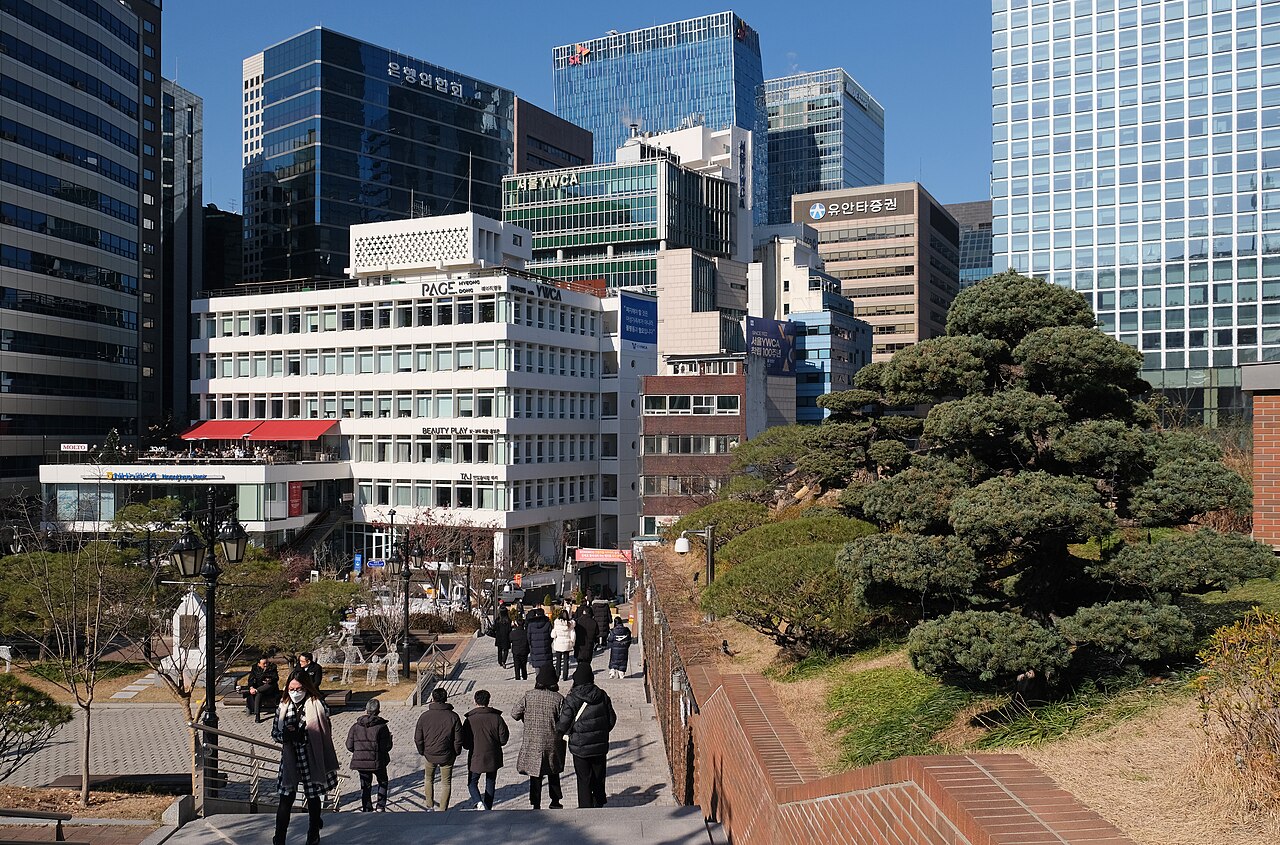
Myeongdong: shortlist it for a central sightseeing programme
Consider Myeongdong when your days are mostly focused on the central part of the city and you want a range of accommodation to compare. Check which station and exit actually serve the property. A listing may use a familiar neighbourhood name while the practical arrival route is different from the one you imagined.
Compare the exact block, room category and direction of the windows. A convenient shopping location does not automatically mean a restful bedroom. Ask about lift access, luggage storage and any steps before reception. For a short first visit, a straightforward return for a rest may matter more than a dramatic view.
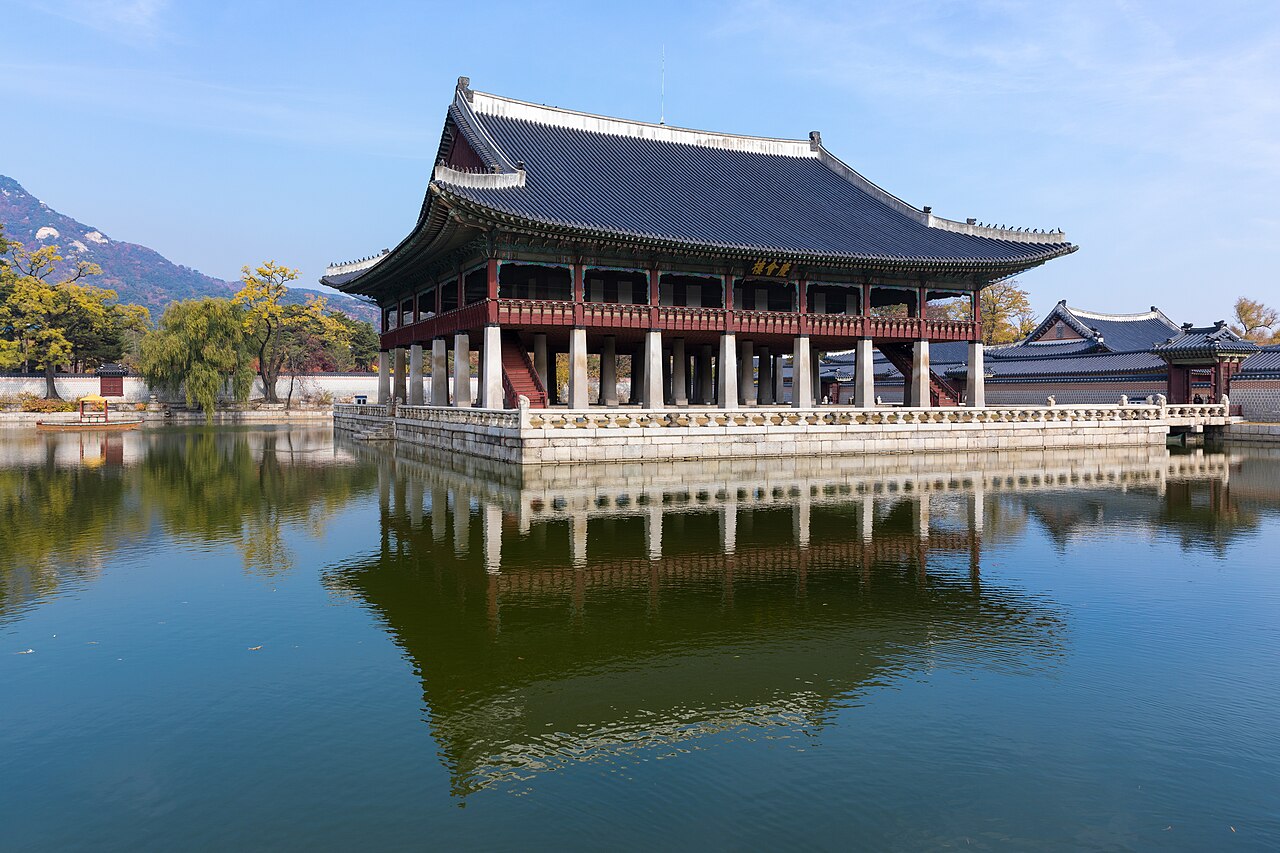
Jongno and Insadong: consider the historic programme
These names are worth investigating when historic sites and traditional-street walks form the main shape of your visit. The appeal is the fit with that programme, not a promise that everything is within one effortless stroll. Plot the specific destinations you care about and see how many separate journeys remain.
If a traditional-style stay interests you, check sleeping arrangements, bathroom privacy, temperature control and luggage access carefully. Appearance does not establish comfort for your needs. Shared facilities and a beautiful courtyard can be a delight for one traveller and the wrong choice for another.
Hongdae: match the address to your evenings
Put Hongdae on the shortlist if evenings in that part of Seoul are important. Before booking, distinguish a bedroom overlooking an active street from a quieter-looking residential edge, and remember that an online room photo cannot demonstrate sound insulation. Read recent, detailed comments about the category you plan to book.
For an airport-rail journey, check the specific service, station stop and operating hours with AREX. Do not treat every train sold under an airport-rail label as making identical stops. Check the airport terminal and the final station-to-hotel walk with luggage before deciding that the connection settles the choice.
Gangnam: choose it when the trip supports it
Gangnam belongs on the shortlist when work, events or activities in that part of Seoul drive your programme. Avoid choosing a hotel solely because its district name is internationally familiar. If most planned visits are elsewhere, calculate the repeated journeys before paying for a seemingly attractive room.
The same applies to Jamsil, Yeouido or any other specialised base. There is no penalty for staying outside a standard first-visit recommendation when the geography is right for you. The problem is not the district; it is booking before understanding where you will spend your time.
A comparison that starts with the traveller
| Main purpose | Areas to investigate | The decisive check |
| Central sightseeing | Myeongdong, Jongno surroundings | Your actual daily routes |
| Historic-street interests | Jongno or Insadong surroundings | Property layout and access |
| Evenings around Hongdae | Hongdae surroundings | Room noise and late return |
| Work or events elsewhere | The area near the venue | Event-day and airport journeys |
This table suggests where to investigate, not a hierarchy. A well-positioned individual hotel can matter more than the district label. Compare like-for-like room conditions and total price before making the final decision.
Test three journeys before paying
First, test arrival at the time you expect to leave the airport, not the aircraft's landing time. Second, test a representative sightseeing morning. Third, test the return after the latest planned dinner or event. Use official operator information for service hours and a current route planner for the detailed journey.
Keep transfer effort in mind. Long station corridors, stairs and the final street can change what “near the metro” feels like. If step-free access matters, verify it for the relevant entrance and property. Ask specific questions rather than relying on a general accessibility filter.
Booking questions that prevent surprises
Confirm the full amount, cancellation deadline, bed arrangement, window, private bathroom, lift and reception hours. Check whether a very late arrival needs a separate procedure. Save the address in the form the property supplies, including a version you can show a driver offline.
For a short stay, moving hotels can cost more time than it saves. Consider a split only when there are enough nights or a clear event or departure reason. Our Tokyo neighbourhood guide and Istanbul area guide use the same journey-first method, while keeping each city's transport differences separate.
Frequently asked questions
Which neighbourhood is safest?
This guide does not rank entire districts by safety. Assess the specific entrance, late-arrival arrangements and route, follow current official advice and choose a property whose setup you understand. A fashionable name is not a guarantee.
Should I stay beside Seoul Station for the airport?
Consider the whole trip, not only one transfer. Check the actual service you intend to use and compare it with your daily programme. A convenient departure can be useful without being the best answer for every night.
Is the cheapest room the best value?
Only if its compromises suit you. Include repeated journeys, sleep, room layout and flexibility in the comparison. A modest saving can disappear when transport or an unsuitable room makes the stay harder.