A rewarding first car-free week in Norway needs fewer overnight bases, not more. This suggested route uses Oslo and Bergen as its two anchors, with a rail travel day between them and one deliberately chosen excursion. It is not a plan to cover the whole country. The advantage is time to enjoy each stop without making every morning a luggage transfer.
Establish the major connections first
Search your actual dates with Vy for the Oslo–Bergen rail journey. The operator provides Bergen Line information, ticket conditions and traffic notices. Use Entur to investigate connections across the wider transport network, then confirm conditions with the operator. A suggested connection is not automatically a through-ticket with protection for every separate component.
Check engineering works, replacement transport and the exact station before purchasing accommodation around a timetable. Compare the complete travel day, including check-out and arrival, rather than only the train's advertised running time. Reserve the important long-distance leg when the relevant service is available for booking.
Days 1 and 2: give Oslo a complete day
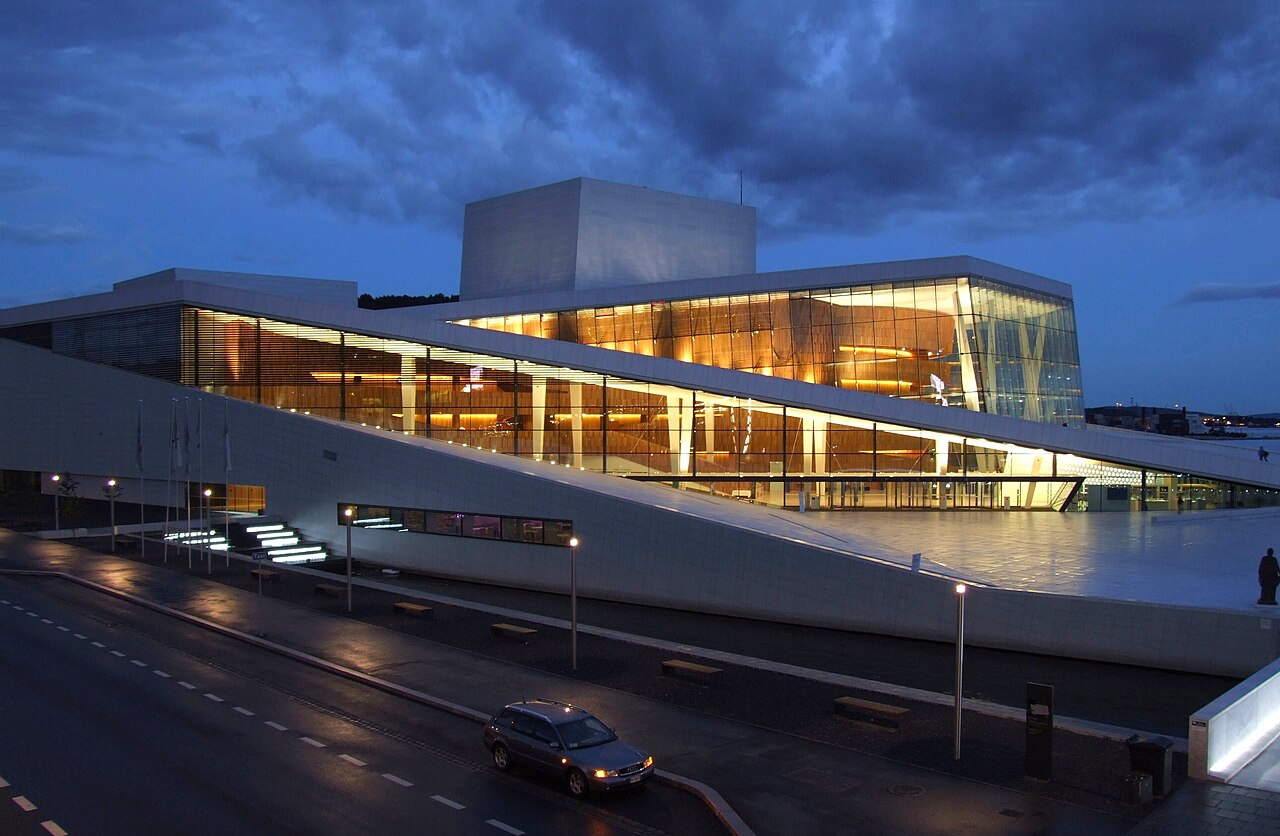
On arrival, reach your accommodation and keep the first walk modest. The next day can combine a compact waterfront route with one museum or cultural visit that interests you. The opera-house area is a possible walking focus, but check access rules and conditions before stepping onto any exposed surface. A photograph is not a reason to ignore a barrier or slippery conditions.
Choose accommodation by luggage access and practical departure route. A distant bargain can add effort at both ends of the stay. If the second day includes a timed ticket, allow lunch and travel time rather than arranging several reservations across the city. The point is to experience Oslo before treating it as a railway starting line.
Day 3: let the train be the main activity
Treat the Oslo–Bergen journey as the day's anchor. Carry food and water appropriate to the trip, keep essential belongings accessible and check the onboard facilities for the booked service. Do not schedule a costly fixed-time activity immediately after arrival. A connection that works on paper may leave no room for disruption or a tired evening.
Keep medication, documents, chargers and a necessary change of clothes with you rather than buried in a suitcase. If you need assistance or a particular onboard arrangement, consult the operator before purchase. Seat availability and accommodation requirements are easier to solve in advance than on the platform.
Days 4 and 5: Bergen with a weather margin
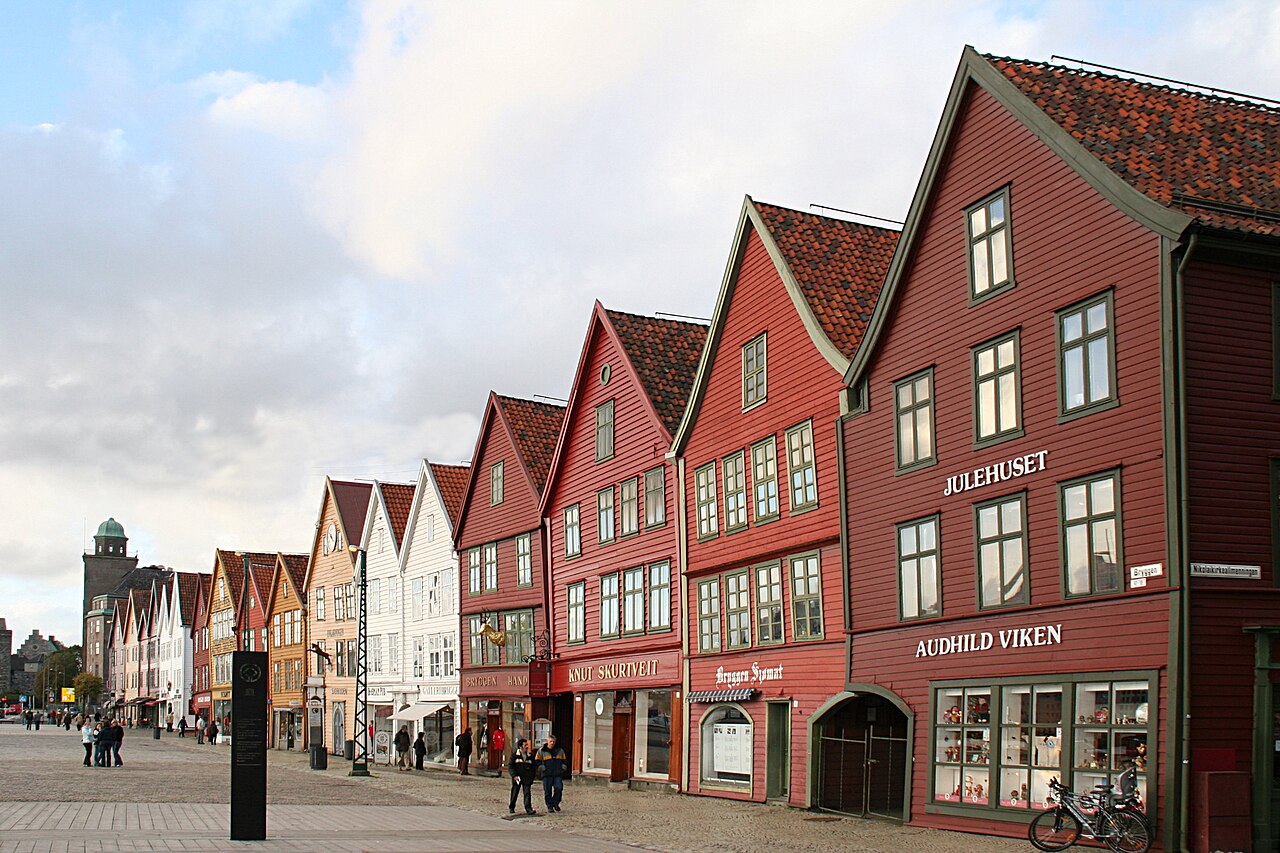
Use the first full Bergen day for a manageable city programme, such as a waterfront walk around Bryggen and a cultural interior. Check the individual attraction rather than relying on an old list of opening times. If a viewpoint is important, consider visibility and actual access conditions before paying for the trip.
Leave the next day for one excursion that suits the season and your interests. A fjord outing can be worthwhile, but inspect the actual stops, time on the water, transport segments and return arrangements. Packages with similar names can contain different journeys. Compare the experience you want, not just a dramatic photograph at the top of the booking page.
Day 6: a buffer, not another distant destination
Use this day to exchange the order of your city and excursion plans if needed, or to explore Bergen more slowly. A flexible day is especially useful when one desired activity depends on conditions. It does not guarantee that a cancelled service can be re-created, but it prevents every minor change from collapsing the itinerary.
If you wish to add Flåm or another overnight stop, redesign the week consciously. Check connections, luggage and the number of hours remaining in each place. Do not insert an extra destination simply because it appears near the railway on a map. A two-base plan and a multi-stop route are different holidays.
Day 7: depart from the correct city
This sample works most simply when your booked travel allows departure from the Bergen end. If your flight is from Oslo, reserve substantial time for returning and consider adjusting the programme. The journey back across the country is not a small final-morning errand. Verify airport connections and terminal requirements separately from city sightseeing transport.
| Segment | Plan first | Keep flexible |
| Oslo | Accommodation and important ticket | Ordinary walks |
| Travel day | Rail service and luggage needs | Arrival-evening activities |
| Bergen | Base and one selected excursion | Viewpoints and day order |
| Departure | Correct city and airport journey | Optional final stroll |
Budget for the actual week
Separate accommodation, intercity travel, airport journeys, local transport, excursions and food. Compare ticket flexibility before choosing the lowest fare. A scenic activity can be a major part of the total; excluding it makes a daily budget misleading. Grocery meals can be one option, but check what storage and preparation your room permits.
For the wider planning method, see our Portugal train itinerary and Scottish Highlands without a car guide. Build each day from a viable return, avoid tight independently booked connections and preserve time to be in the place you came to see.
Frequently asked questions
Can I add the far north to this week?
Not without changing the trip significantly. Count airport transfers and travel time as well as flight duration. If northern Norway is the priority, build a separate itinerary around it instead of attaching it to Oslo and Bergen.
Is this identical in every season?
No. Available daylight, services and activity suitability need checking for your dates. The two-base framework is a starting point, not a promise that every excursion operates year-round.
Must I book a packaged scenic route?
No. Compare the convenience of a package with individual tickets and their conditions. Make sure you understand which organisation helps if a segment changes. The best choice is the one whose logistics and compromises you understand.