Madeira without a hire car works best when you stop expecting one transport method to solve every journey. Use a walkable base for ordinary evenings, scheduled public transport for suitable routes and an organised transfer or excursion when it makes a difficult day straightforward. The goal is not to reach every viewpoint. It is to enjoy five days without spending them waiting beside roads.
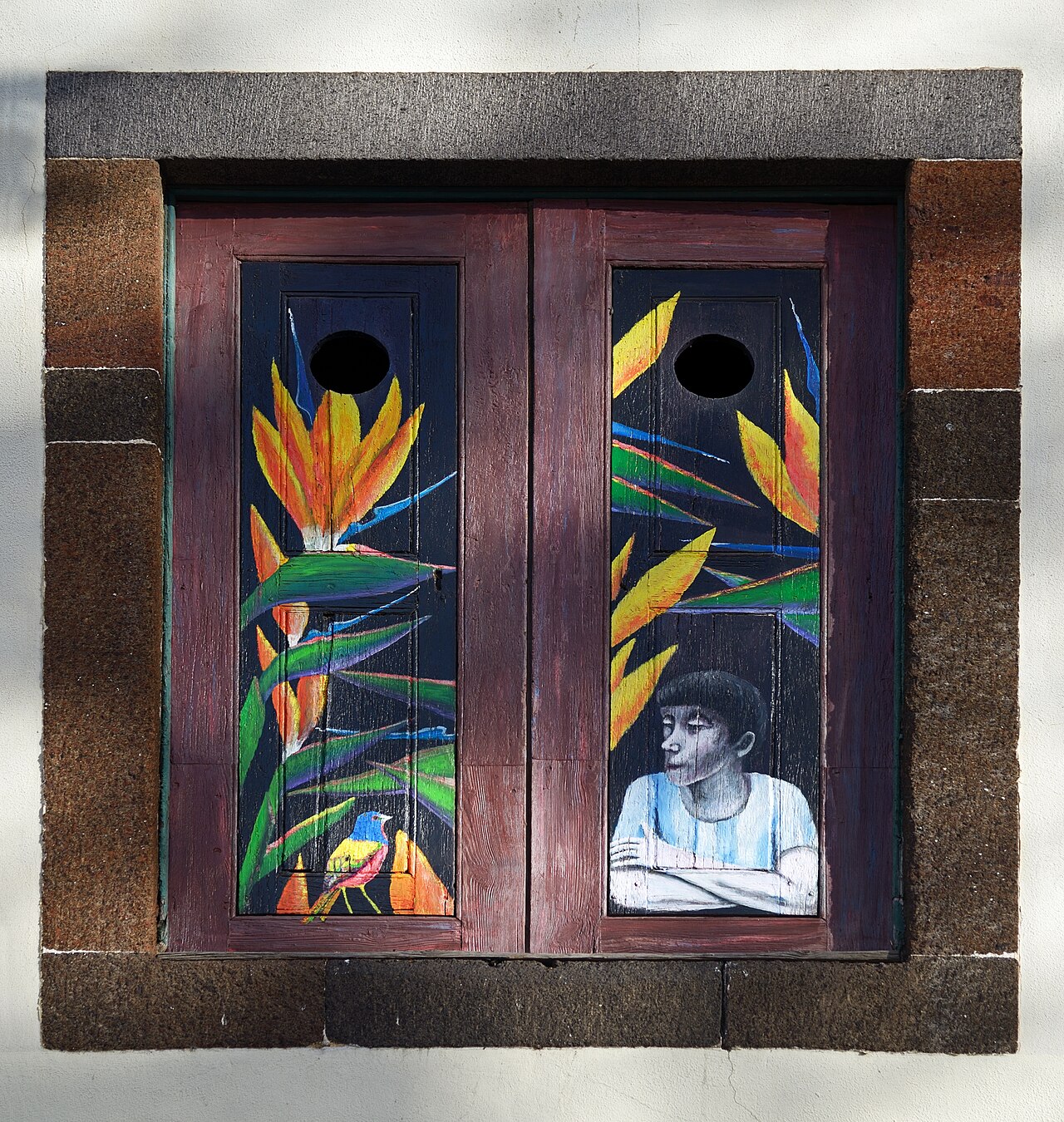
Make Funchal a practical base
For this suggested itinerary, start with a Funchal base that supports your arrival, evening meals and the specific departures you expect to use. Check gradients as carefully as distance. A property with an attractive view may involve a demanding return walk. Ask about vehicle access and where an excursion operator would actually collect you.
Do not choose a remote bargain and assume taxis will make every outing inexpensive. Price the complete pattern of transfers first. Keep one accommodation for a short trip unless a particular activity genuinely benefits from an overnight elsewhere. Repacking and moving are transport tasks too.
A five-day framework
| Day | Suggested focus | Transport approach |
| 1 | Arrive and explore a compact part of Funchal | Confirmed airport connection |
| 2 | Funchal at your own pace | Walking plus local transport as useful |
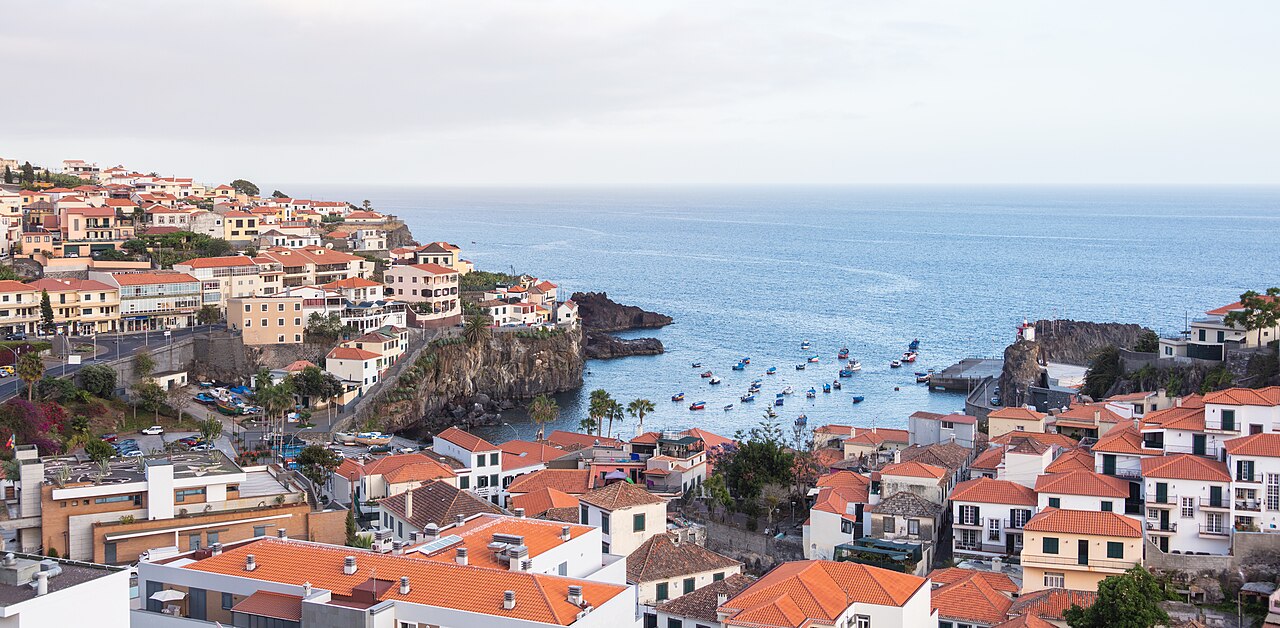
| 3 | A coastal outing such as Câmara de Lobos | Check both outward and return services |
| 4 | One selected excursion or suitable walk | Confirmed return transport |
| 5 | Weather buffer and departure | Keep near the required luggage route |
These are editorial suggestions, not a promise that a particular bus operates on your date. Check the current network and timetables through SIGA and use Visit Madeira for destination information. An attractive map connection is useful only when its actual schedule suits your day.
Days 1 and 2: understand your base first
On arrival, aim for accommodation, food and a modest first walk. Use the next day for Funchal rather than immediately crossing the island. Choose cultural stops, the waterfront or gardens according to interest and availability. Check ticket inclusions independently; a transport ride does not necessarily include admission at the destination.
Before the first longer outing, identify where you need to wait and how to recognise the return stop. Save the timetable and accommodation details offline. A simple first day gives you the chance to adjust plans to the conditions rather than discovering a basic transport misunderstanding on a distant road.
Day 3: a manageable coastal trip
Câmara de Lobos is one possible focus for a coastal day. Check the actual stop locations and leave time for an unhurried walk and meal. Choose a return departure that leaves a useful fallback. Relying on the final scheduled service turns an ordinary delay into a much larger problem.
Do not add an unrelated viewpoint solely because it appears close on a straight-line map. Gradients, road access and service patterns matter more than that distance. If you book a taxi or transfer, agree pickup point, waiting arrangements and price before departure.
Day 4: one excursion, not every landscape
Pick the outing that most closely matches your interests: a guided island day, a suitable trail with arranged transport or a different cultural visit. Compare total duration, group size, walking demands and cancellation conditions. A listing that says “easy” does not establish that an activity suits your fitness, mobility or comfort with heights.
For a walk, check the current official trail status through IFCN and the relevant booking or access requirements before travelling. Do not infer that a route is open from an old photograph. Arrange the return before starting and follow closures and weather advice. A booking is not a reason to continue into unsuitable conditions.
Day 5: the buffer is part of the trip
Keep the final day available for a postponed local visit or a relaxed departure. If an excursion could not operate, you may not be able to recreate it safely in the few hours before a flight. Accept that limit rather than attempting a compressed substitute. Retrieve luggage and allow time for the airport journey.
Budget by category: airport transfers, local journeys, organised outings, accommodation and meals. A car-free holiday is not automatically a low-cost holiday, especially with repeated private transfers. Compare the expense of one well-chosen excursion with several improvised taxis, not with an imaginary free transport network.
For more public-transport planning, see our Portugal train itinerary and Scottish Highlands without a car guide. The transferable lesson is to build the day around the return journey; the services themselves are different.
Frequently asked questions
Can I visit every famous viewpoint without driving?
Do not make that the measure of success. Choose a smaller number supported by realistic transport. A full day enjoyed in one area is preferable to several brief stops connected by expensive uncertainty.
Are buses enough for all hikes?
Only a checked route and date can answer that. Verify both trail access and return transport. When the connection is unsuitable, choose another walk or an appropriate organised service.
Should I book all five days before arrival?
Secure accommodation and essential transfers, then balance limited-capacity activities with flexibility. Keep some room for conditions and fatigue. The best car-free plan has fewer weak connections, not the largest list of reservations.