Kyoto rewards a little planning more than most cities. The former imperial capital holds seventeen UNESCO World Heritage sites, yet its best moments are small: an empty stone lane before breakfast, a moss garden after rain, a counter seat with a bowl of noodles. The catch is that the famous places are genuinely crowded and the transport system is not built around suitcases. This guide covers what actually shapes a first trip — when to go, how to move around, which three days make sense, where to escape the crowds, and what it costs.
Best time to visit Kyoto: seasons and trade-offs
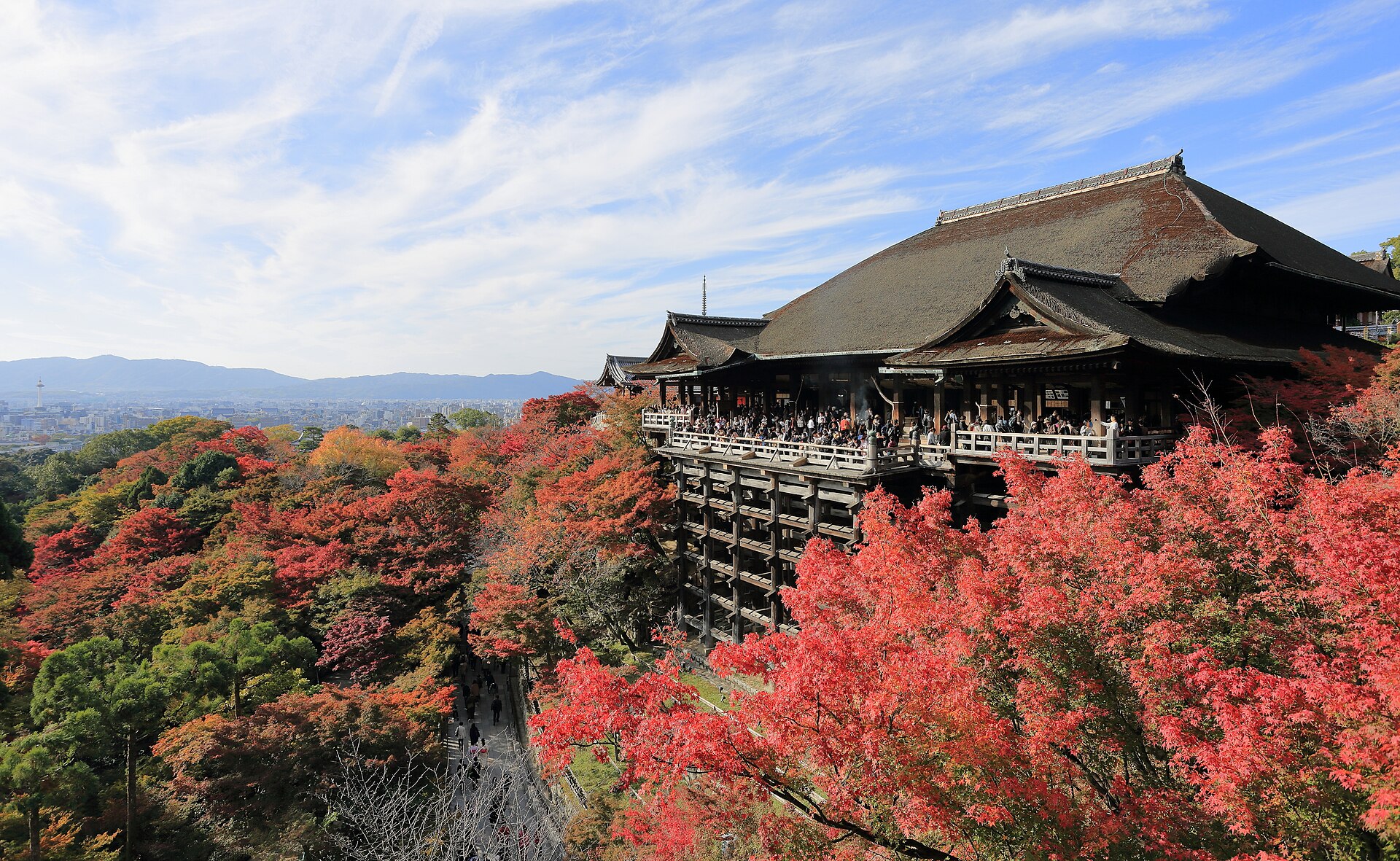
Kyoto has four distinct seasons and two of them are extremely popular. Cherry blossom usually peaks in late March and early April; autumn colour runs from mid-November into early December. Both are beautiful and both bring higher rates, packed buses and timed queues. If you want those weeks, book three to six months ahead and expect to pay well above shoulder-season prices.
May and October are the sweet spot for many travellers: mild weather, long daylight and manageable crowds outside Golden Week and the 22 October holiday period. Early summer brings tsuyu, the rainy season, roughly mid-June to mid-July. It is humid, but gardens are at their greenest and the big sights are quieter.
July and August are hot and humid, often above 35°C, so plan temples for early morning and keep afternoons for museums, markets or a long lunch. Gion Matsuri fills central Kyoto in July. Winter is cold but calm, with occasional snow, short queues and the lowest prices; a few gardens close earlier and some small businesses pause around New Year.
Getting around Kyoto by train and bus
Kyoto Station is the hub, with JR lines, the Karasuma subway line and city buses outside the north exit. The subway has only two lines — Karasuma north–south, Tozai east–west — so it covers less than visitors expect, but it is fast and far calmer than the buses.
City buses reach Higashiyama, Kinkaku-ji and Arashiyama. The fare is a flat ¥230 for adults at the time of writing, paid on exit at the front by IC card or with exact coins; you board at the rear. A Subway & Bus 1-Day Pass costs ¥1,100 and pays off after about five rides. Kyoto has been revising fares and pass rules, including a planned higher rate for visitors, so confirm the current price on the official bus and subway guide before you count on a pass.
Buses are slowest from 7:30 to 9:00 and again from 17:00 to 19:00, and the city asks visitors not to bring large suitcases onto crowded routes. Use station lockers or luggage forwarding instead, and take a taxi for short hops with bags. Cycling works well along the Kamo River and in flatter districts, though parking rules are strict.
From Kansai Airport, the Haruka limited express reaches Kyoto Station in about 75 minutes for roughly ¥3,000. From Tokyo, the shinkansen takes about two hours fifteen minutes for around ¥14,000; Osaka is 15 minutes away, Nara about 45 by Kintetsu. An IC card such as ICOCA, or a digital card in your phone, works on buses, subways and most private railways.
A realistic three-day Kyoto itinerary
This plan groups sights by area so you spend time walking rather than riding. It assumes early starts, one flexible afternoon and no attempt to see everything.
Day 1: Southern Higashiyama and Gion
Begin at Kiyomizu-dera when the gates open at 6:00; entry is ¥500 and the wooden stage is far better without a queue. Walk down through Sannenzaka and Ninenzaka while the preserved streets are still quiet, then continue past Kodai-ji to Yasaka Shrine and Maruyama Park for breakfast.
Spend the afternoon in Gion and along the Shirakawa canal, then cross the river to Pontocho for dinner. Since 2024 the southern Gionmachi residents' council has closed its private alleys to visitors and banned photography there, with signs warning of a ¥10,000 fine. Stay on public streets, and never chase or block a geiko or maiko walking to an appointment.
Day 2: Fushimi Inari and the eastern temples
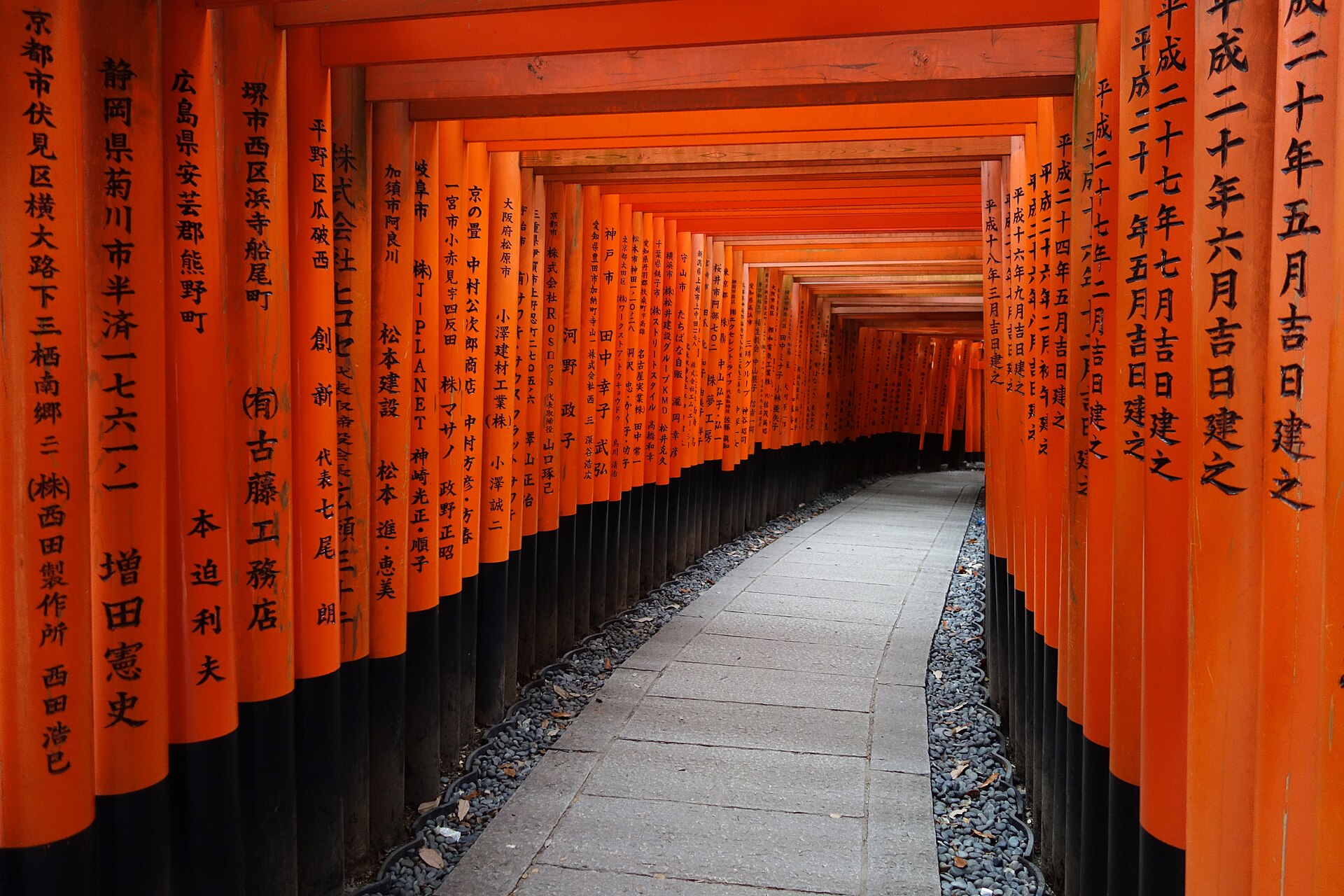
Take the JR Nara line two stops to Inari and enter the torii tunnel before 8:00. Fushimi Inari Taisha is free and open around the clock. The famous lower gates take twenty minutes; the full loop to the summit takes two to three hours and thins out sharply after Yotsutsuji junction, which has the best view over southern Kyoto.
Return via Tofuku-ji, then head north to the Philosopher's Path. Ginkaku-ji, the Silver Pavilion, charges ¥500 and closes at 17:00; the garden is the point rather than the building. Walk south to Honen-in and Nanzen-ji, where the grounds are free and the Hojo garden costs a few hundred yen. Finish at Nishiki Market before the stalls close.
Day 3: Arashiyama and the northwest
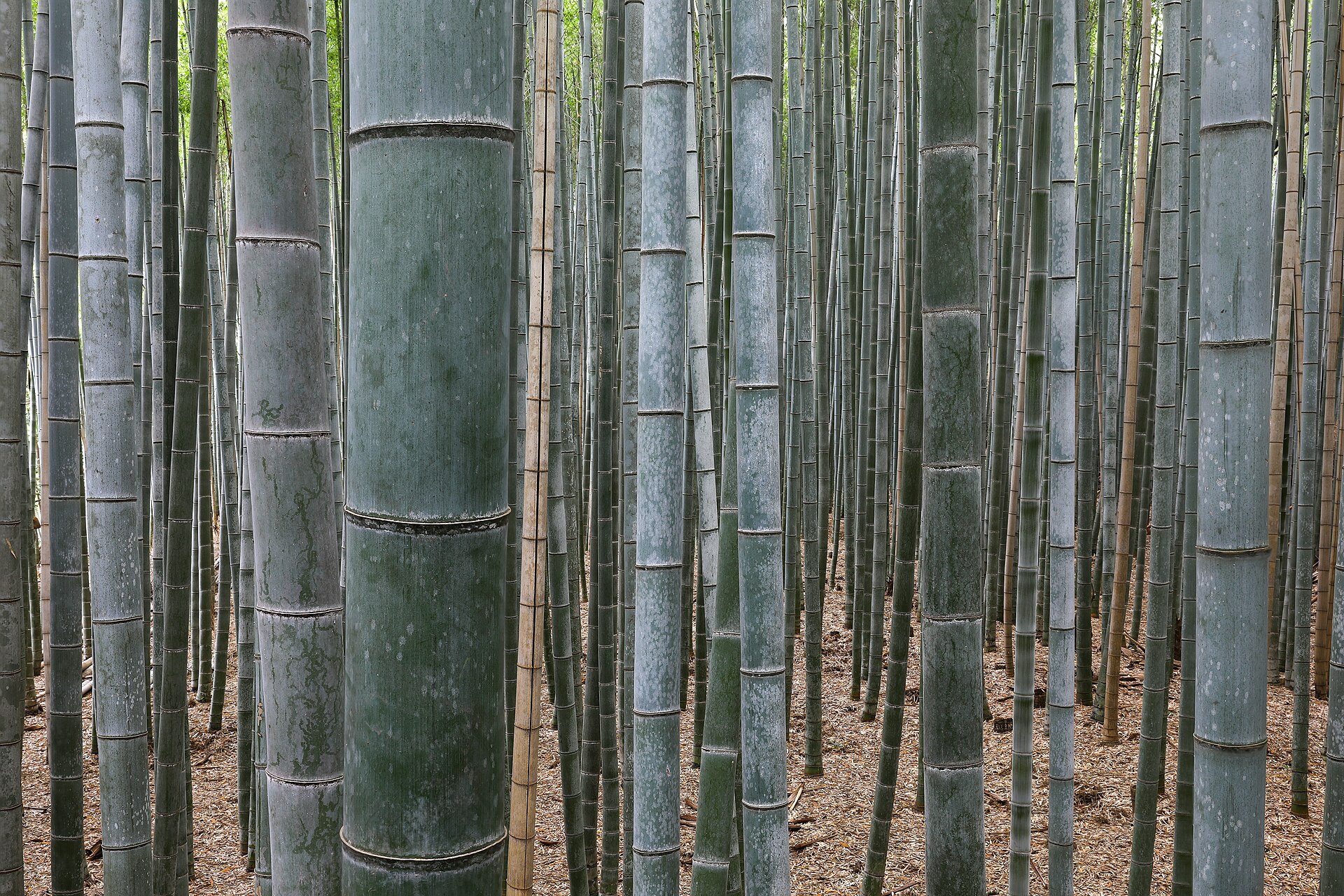
Reach the Arashiyama bamboo grove by 7:30 — it is a public path and packed by mid-morning. Continue to Tenryu-ji, whose garden costs ¥500, then walk uphill to Okochi Sanso for a quieter garden and matcha included in the ticket. The Sagano Scenic Railway and Hozugawa boat trip need booking in peak season.
In the afternoon, take the JR Sagano line back to Kinkaku-ji, the Golden Pavilion (¥500, open 9:00–17:00), then Ryoan-ji for its rock garden. If it rains, swap this day for Nijo Castle (¥1,300, closed on some Tuesdays), the free Kyoto Imperial Palace and the Kyoto National Museum.
Temples, neighbourhoods and quieter alternatives
The headline sights deserve their reputation, but Kyoto has more than a thousand temples, and a great day is often a twenty-minute walk from the tour groups. In Higashiyama, Honen-in and the smaller subtemples of Daitoku-ji are usually calm. In the west, Saiho-ji, the moss temple, requires an advance reservation and is visited in a guided slot.
For neighbourhood atmosphere, walk the lanes between Demachiyanagi and Shimei-dake, or the shotengai streets north of the imperial palace. Kurama and Kibune, twenty-five minutes apart on the Eizan railway, offer a one-hour forest hike between two shrines. Kyoto also works as a base: Nara is 45 minutes away, Uji twenty, Osaka close enough for an evening.
Food, etiquette and budgeting tips
Kyoto cooking is subtle rather than spicy: obanzai vegetable dishes, yudofu hotpot, Nishin soba, pickles and matcha sweets. Kaiseki is the flagship experience, and lunch menus often cost half of dinner — a realistic way to try it without spending ¥20,000. For everyday meals, Nishiki Market is good for grazing and Pontocho for atmosphere.
Book popular restaurants ahead, especially at weekends, and expect a small otoshi table charge at izakaya. Many small counters are cash-only, so keep ¥5,000–10,000 on you. Tipping is not practised, and eating while walking is frowned upon even where it is not banned; stand near the stall instead.
Budget roughly ¥4,000–7,000 for a hostel dorm bed, ¥15,000–25,000 for a mid-range double, ¥1,000–1,500 for lunch, ¥2,500–5,000 for dinner and ¥300–600 per temple. Transport runs ¥800–1,200 a day if you combine walking with buses and the subway. Kyoto's revised accommodation tax, introduced in March 2026, adds roughly ¥200–10,000 per person per night depending on room rate, so check whether it is included when you compare prices; this guide to hotel booking sites in Asia explains the main platforms.
Two practical notes. Most temples are not fully step-free — expect gravel, steep lanes and raised thresholds — so travellers with mobility limitations should plan fewer stops and use taxis between them. Mobile data also makes everything easier, and a travel eSIM is usually cheaper than roaming; this comparison of travel eSIMs covers the options. These travel hacks help if you are moving between cities with hand luggage.
Three-day Kyoto summary
- Before you go: load an IC card, book spring and autumn hotels early, and check the current bus fare and 1-day pass price.
- Day 1: Kiyomizu-dera at 6:00, then Sannenzaka, Kodai-ji, Yasaka Shrine, Gion and dinner in Pontocho.
- Day 2: Fushimi Inari before 8:00, Tofuku-ji, the Philosopher's Path, Ginkaku-ji, Nanzen-ji, Nishiki Market.
- Day 3: Arashiyama at 7:30, Tenryu-ji, Okochi Sanso, then Kinkaku-ji and Ryoan-ji or the indoor rain plan.
- Every day: carry cash, avoid buses from 7:30–9:00 and 17:00–19:00, and leave one evening unplanned.
Frequently asked questions
Is three days enough for Kyoto?
Three days covers the essential first visit: southern Higashiyama and Gion, Fushimi Inari with the eastern temples, and Arashiyama with the northwest. It is not enough for day trips, the northern mountains and a slow look at craft workshops. If Kyoto is the main purpose of your trip, four days let you add Nara or Uji without dropping a temple, and five days make the city feel less like a checklist.
Do I need cash in Kyoto?
Less than a few years ago, but still some. Hotels, chain restaurants, convenience stores and department stores take cards and IC payment. Small temples, family-run cafés, market stalls and some ticket machines are cash-only. Carry ¥5,000–10,000 and use 7-Eleven or Japan Post ATMs, which accept foreign cards more reliably than bank ATMs; coin lockers often need coins or IC too.
Are Kyoto's buses difficult to use?
The pattern is simple: board at the rear, pay at the front on exit, flat fare, IC card or exact change. The difficulty is crowding and speed. Buses to Kiyomizu-dera, Kinkaku-ji and Arashiyama fill quickly, and short-looking journeys can take twice as long in traffic. Use the subway or JR where possible and walk the Higashiyama lanes.
When should I book accommodation for Kyoto?
For cherry blossom in late March and early April, and the autumn peak from mid-November to early December, book three to six months ahead; good-value rooms near Higashiyama and Shijo sell out first. At other times six to eight weeks is usually enough. Rates rise at weekends and during Gion Matsuri in July, and the accommodation tax is charged per person per night.
Final thoughts
Kyoto is at its best when you stop trying to optimise it. Pick two or three areas, start early, and accept that a garden in the rain or a quiet lane behind a crowded temple is worth more than another ticked-off World Heritage site. Keep some cash and plenty of patience for buses, and leave the last afternoon unplanned.
Sources: Kyoto City Bus & Subway Guide, Kyoto Convention & Visitors Bureau, Kiyomizu-dera, Fushimi Inari Taisha. Photos: Martin Falbisoner, Luka Peternel and Basile Morin via Wikimedia Commons, CC BY-SA 4.0.