The best airplane seat depends on the flight you are actually taking. Sleeping, getting up often, sitting together and keeping the total price low are different priorities. Start by choosing the one that matters most, then inspect the airline's seat map for your specific service. A recommendation for a row on another aircraft is not useful evidence.
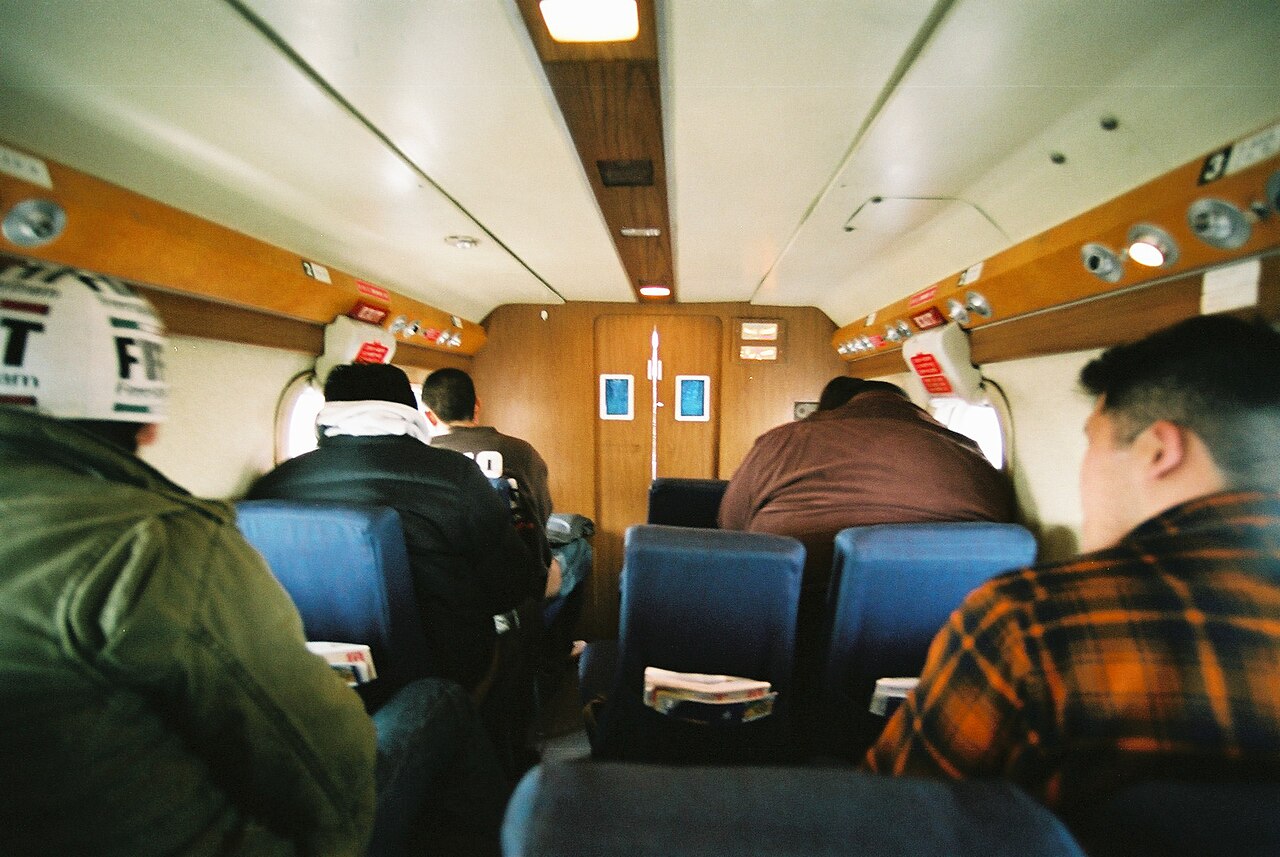
Window, aisle or simply the lowest total cost?
A window can suit someone who wants a view and fewer interruptions from neighbours passing into the aisle. An aisle can suit someone who expects to stand up often. Neither guarantees sleep or space: the cabin layout, neighbouring passengers and the physical seat still matter. A middle seat may be an acceptable compromise when the saving is more valuable to you than the position.
Consider the whole group. If you are travelling with children or someone who needs help, arrangements together can matter more than your individual window preference. Check the airline's current family and assistance policies directly. Do not rely on a promise copied from another airline or a different fare.

Read the actual map, not a generic aircraft name
Open the map through the booking or the airline's own service. Check your flight number, date and cabin. Operators can have different layouts under the same broad aircraft family, and an aircraft change can alter the seat assignment. Save the booking details, but understand that a selected seat may not be an absolute guarantee under the carrier's conditions.
Check whether the charge is for seat selection only or a different product. “Preferred” can mean a location rather than extra legroom. Compare the displayed description and conditions instead of assuming every coloured seat offers more physical space. If dimensions are important, seek the carrier's information for that configuration.
Front, back and seats near facilities
A location near the front may appeal if you want to leave the aircraft promptly, but the actual arrival process can include buses, multiple doors or other constraints. Do not buy a seat expecting it to rescue an unrealistic connection. Choose a viable connection first and treat seat position as a smaller convenience.
Seats near toilets or galleys may involve more activity, but the details depend on the layout and service. Look for the facilities on the actual map and decide how much the trade-off matters. A particular last row may have limitations; verify the airline's description rather than treating every last row as identical.
Bulkhead seats: investigate the compromises
A bulkhead position can differ from an ordinary row in foot space, storage and the location of the tray table or screen. Check the actual product. A seat with no row immediately in front is not automatically the widest or the best for everyone. If easy access to belongings is important, ask where your bag must go during takeoff and landing.
For an infant or other special arrangement, obtain confirmation directly from the carrier. A photograph of a bassinet position does not establish availability, eligibility or a reservation. State what you need and check whether any request has actually been confirmed.
Exit rows are not a normal upgrade
An exit seat involves eligibility and responsibilities, not merely legroom. The official British Airways seat information illustrates why airline-specific rules matter: it sets out assistance duties and booking conditions. Consult your own carrier for its requirements. Never select a seat if you cannot or do not want to undertake the applicable duties.
Do not interpret a successful online selection as permission to disregard crew instructions. If your needs change or the seat is unsuitable, speak to the airline. The price, eligibility and arrangements can differ between operators and routes; this guide does not establish a universal age rule or a guarantee of acceptance.
A decision table before paying
| Your priority | Start by checking | Do not assume |
| Sleeping with fewer interruptions | Window position and surrounding facilities | That any window seat guarantees sleep |
| Getting up regularly | Aisle and actual layout | That extra legroom removes all constraints |
| Sitting together | Group and family conditions | That separate bookings will be linked automatically |
| More space | The carrier's exact seat description | That “preferred” means wider |
| Lower spending | Fare inclusions and selection charges | That an optional seat is always necessary |
Decide on a maximum extra amount before looking at the colourful map. An upgrade is worthwhile only when the improvement matters for this journey. Paying for a small convenience on a short flight may be less useful than reserving that money for a long transfer or a necessary checked bag.
Check again before departure
Review your booking after any schedule or equipment change and again at check-in. Read the carrier's terms for reassignment, paid-selection refunds and assistance requests. Save receipts if you purchase a specific service. At the gate, ask staff about unresolved seating needs rather than expecting another passenger to solve them after boarding.
Keep essential items organised so that the seat does not become a storage problem. Our carry-on packing guide helps with that, and the late-night arrival checklist covers what happens after landing. A better seat cannot compensate for an unclear onward journey.
Frequently asked questions
Is there one best row number?
No. A row number without the carrier and configuration is insufficient. Start from the actual booking map and your own priority. General rankings are only prompts for questions, not a substitute for checking.
Is paying for a seat compulsory?
Read your fare conditions. A charge for choosing a particular position is not necessarily a charge required to travel. Check when allocation occurs and whether any specific need requires advance arrangements.
Can a seat choice solve a tight connection?
No reliable plan should depend on that. Airport procedures, stand position and disruption remain outside your control. Choose the connection on its own merits before considering a seat as an additional convenience.