Budapest is two cities in one: hilly Buda on the west bank of the Danube and flat, busy Pest on the east. Three days are enough to see the main sights without rushing, try at least one thermal bath and still leave time for cafés, markets and an evening on the river. The trick is to group each day by area instead of crossing the river several times.
Where to stay
For a first visit, Pest is usually the practical choice. District V around St Stephen's Basilica and the Parliament is central and walkable, District VI and VII near Andrássy Avenue and the Jewish Quarter are livelier and often better value, and District VIII around the National Museum is quieter but still close to the centre. Buda is calmer and greener, with good views, but you will cross the river regularly.
Day 1: Pest, Parliament and the river
Morning — Parliament and St Stephen's Basilica
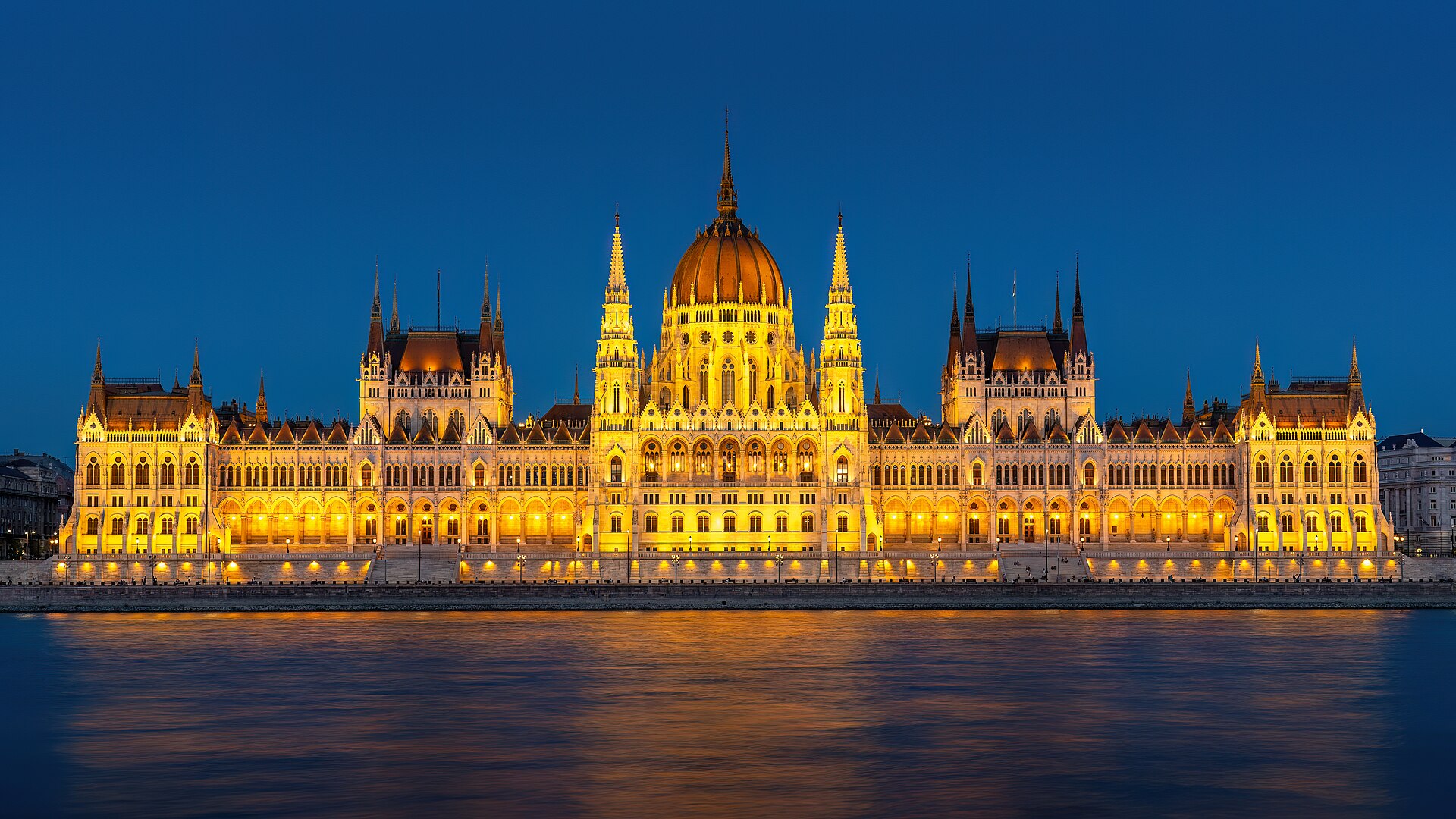
Start at Kossuth Lajos Square. Guided tours of the Hungarian Parliament Building sell out quickly, especially in summer, so book online in advance and bring your passport or ID. From there, walk to St Stephen's Basilica, climb to the dome for a wide view over the city, and continue along Zrínyi Street towards Andrássy Avenue.
Afternoon — Andrássy Avenue and City Park
Andrássy Avenue is a straight, tree-lined route from the Opera House to Heroes' Square. Take your time: the opera building, the old villas and the cafés are part of the walk. At Heroes' Square, cross into City Park to see Vajdahunyad Castle and, if the weather is good, spend a couple of hours at the Széchenyi Thermal Bath — one of the largest bathing complexes in Europe.
Evening — the Jewish Quarter and ruin bars
District VII is where Budapest's ruin bars began: old buildings filled with mismatched furniture, street art and several bars under one roof. Szimpla Kert is the best-known, but the surrounding streets have smaller and quieter places. Arrive before 9 pm if you want a table, and keep an eye on your belongings in crowded courtyards.
Day 2: Buda Castle, Fisherman's Bastion and Gellért Hill
Morning — Castle Hill
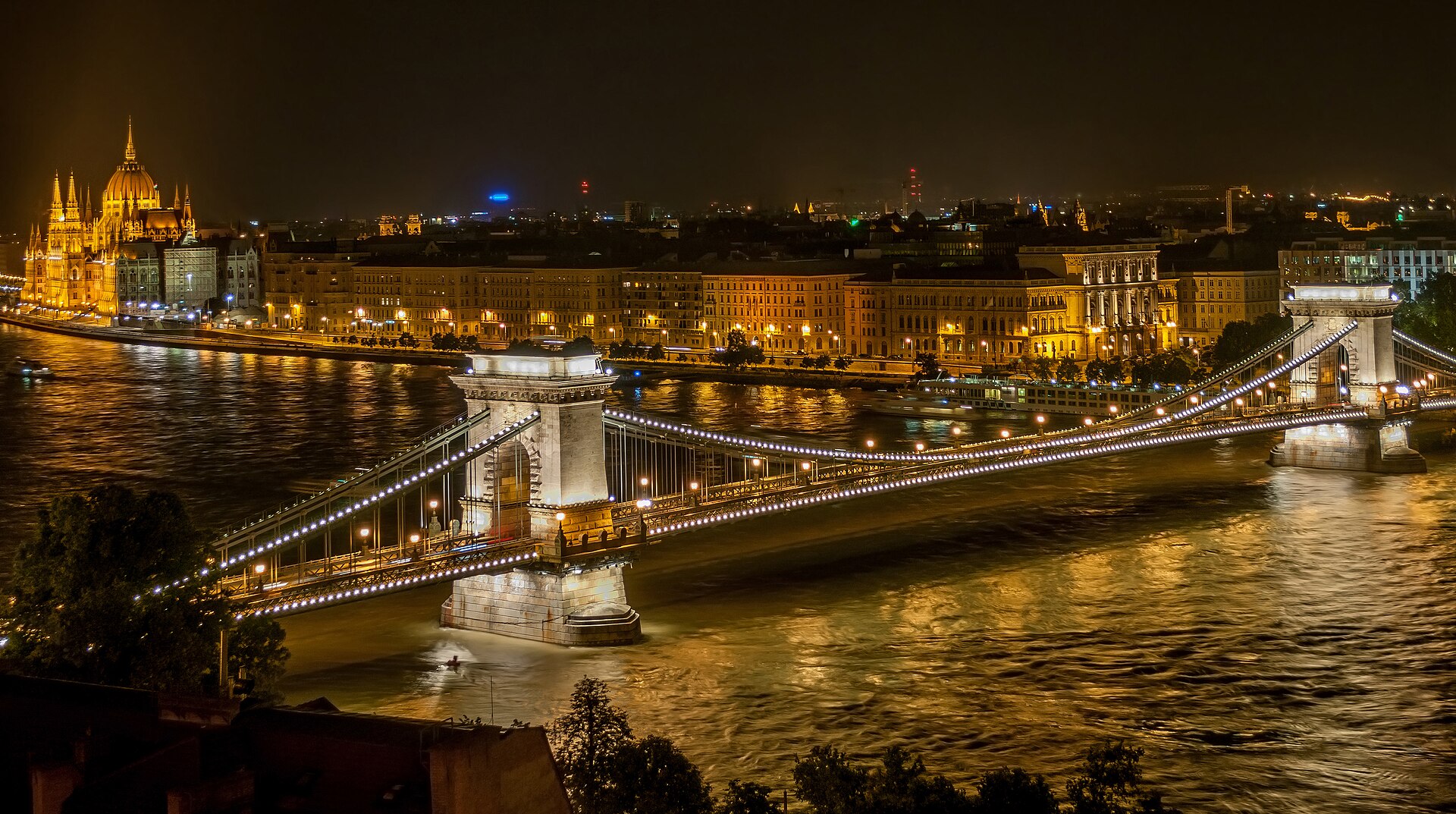
Cross the Chain Bridge early and take the funicular up to Buda Castle, or walk up the paths behind it. The castle terrace gives you the classic view of the Parliament across the river. The Budapest History Museum and the National Gallery are both here; pick one rather than trying to see both.
Midday — Fisherman's Bastion and Matthias Church
Walk through the Castle District to Fisherman's Bastion. The terraces are free to walk, but the upper towers have a small entrance fee and are much quieter in the morning. Matthias Church next door is worth a short visit for its tiled roof and painted interior. This is also a good area for lunch away from the busiest tourist menus.
Afternoon and evening — Gellért Hill and the Danube
Walk down to Gellért Square and climb Gellért Hill for the Citadella viewpoint, which opens up the whole river and both banks. Finish with a walk back across the Liberty Bridge. In the evening, a one-hour Danube sightseeing cruise is one of the few genuinely worthwhile tourist experiences here: the Parliament and the bridges are illuminated after dark.
Day 3: markets, neighbourhoods and a slower finish
Morning — Great Market Hall and Váci Street
Start at the Great Market Hall near Liberty Bridge. The ground floor sells paprika, sausages, fruit and souvenirs; the upper floor has simple food stalls. Prices are higher than in local markets, so compare before buying. From there, Váci Street leads north towards the centre — busy, but convenient for a first walk.
Afternoon — Margaret Island or the National Museum
If the weather is warm, take tram 4 or 6 to Margaret Island for a slow afternoon of parks, a small zoo and a musical fountain. If it rains, the Hungarian National Museum in District VIII is a good indoor option and explains the country's history better than any guidebook. Both are easy to reach on public transport.
Final evening — dinner and a last walk
For the last evening, choose one neighbourhood rather than a list of sights. Good options are the streets around the Opera, the area near the Basilica, or the quieter side of District VII. Book dinner in advance for Friday and Saturday, and leave time for a final walk along the Pest embankment.
Getting around Budapest
- Trams 4 and 6 run along the Nagykörút day and night and cover most of the Pest side.
- Metro lines M1, M2 and M3 connect the main sights; M1 under Andrássy Avenue is a UNESCO-listed line in itself.
- Buy tickets in the BudapestGO app or at machines, and validate paper tickets before boarding.
- Bus 100E connects the airport with the city centre; it needs a separate airport ticket.
- Do not use unlicensed taxis outside stations and the airport — use an app or the official taxi rank.
Money and practical tips
- The currency is the Hungarian forint. Cards are accepted almost everywhere, but keep a little cash for markets and small shops.
- When paying by card, choose the local currency rather than "your home currency" at the terminal.
- Tipping about 10 percent is normal in restaurants; check whether service is already included.
- Tap water is safe to drink, and thermal baths require flip-flops or pool shoes.
- Check opening days for museums and baths: several close on Mondays, and the Parliament has limited tour times.
- Budapest is very enjoyable in spring and autumn; July and August can be hot, so plan indoor sights for midday.
What not to squeeze into three days
Day trips to Szentendre, Eger or Lake Balaton are popular, but each one takes a full day. With only three days, staying in Budapest gives you a calmer trip and a better first impression. If you want a day outside the city, choose one destination and skip a museum or a bath rather than trying to do everything.
Three-day summary
Day 1: Parliament → St Stephen's Basilica → Andrássy Avenue → Heroes' Square → Széchenyi Bath → ruin bars.
Day 2: Chain Bridge → Buda Castle → Fisherman's Bastion → Matthias Church → Gellért Hill → evening Danube cruise.
Day 3: Great Market Hall → Váci Street → Margaret Island or the National Museum → final dinner.
Budapest rewards a slower pace: cross the river more than once, sit in a café for an hour and let the baths take a whole afternoon. The city is compact enough that a flexible plan still fits into three days.